Building a Business and a Legacy with Joy | Rita Wilson, AlphaGraphics Franchise Owner

In a world that often defines success by numbers, titles, and speed, Rita Wilson offers a refreshing and deeply grounded perspective: true success is measured by joy, service, and the legacy you leave behind.

In this episode of The Franchise Woman Podcast: Where Passion & Purpose Collide, Rita Wilson — franchise owner of AlphaGraphics in Beaufort, South Carolina — shares a journey shaped by resilience, determination, and a lifelong commitment to helping others thrive.

A Career Built on Grit and Growth

Rita’s professional path began in the early 1980s, a time when opportunities for women in business were limited and often dictated by outdated expectations. Armed with degrees in both marketing and fine arts, Rita entered the workforce determined to carve out a meaningful career — even when the rules weren’t written in her favor.

Working in marketing research and later at The Birmingham News, Rita experienced firsthand what it meant to operate in a male-dominated industry. Women were expected to work harder, earn less, and follow different standards. Rather than discouraging her, those challenges strengthened her resolve.

As Rita explains, resilience and determination became her greatest assets — qualities that would later prove essential in business ownership.

Empowering Women Through Leadership

One of the most formative chapters of Rita’s career came through her role directing the Miss Alabama pageant. Far beyond the spotlight, this work focused on mentoring young women — building confidence, sharpening interview skills, and preparing them for leadership beyond the stage.

For Rita, the pageant was never about perfection. It was about helping women believe in themselves, find their voice, and access opportunities — including scholarships — that might otherwise be out of reach. That passion for lifting others would later shape how she approached business ownership.

Finding Purpose Through Franchising

Later in life, Rita and her husband sought a business they could build together — one that allowed them to apply decades of marketing experience while staying connected to their community. AlphaGraphics became the perfect fit.

Through franchising, Rita discovered something powerful: ownership creates freedom. The freedom to decide who you serve, how you give back, and what kind of impact you want to make.

From supporting nonprofit organizations to creating visual communications that help local causes raise more funds, Rita views her business as a tool for service. As she puts it, when you own the business, you don’t have to ask permission to give back — you simply do it.

Redefining Success and Legacy

Perhaps the most moving part of the conversation centers on legacy. Rita speaks candidly about how her definition of success has evolved over time. Where once achievement and status seemed important, today her focus is on something far deeper.

She hopes to be remembered as a giver. As someone who brought joy into the lives of others. As a leader who used her experiences, talents, and platform to make life better for those around her.

Joy, Rita explains, isn’t about constant happiness. It’s about contentment — loving what you do, who you’re with, and where you are. It’s a quiet confidence that you’re living life on purpose.

A Message for Future Business Owners

For anyone considering entrepreneurship or franchising, Rita offers simple but powerful advice: working for yourself is challenging — but deeply rewarding. The hours may be longer, but the fulfillment comes from ownership, accountability, and the ability to build something that truly reflects your values.

Rita Wilson’s story is a reminder that business can be more than a transaction. It can be a calling. A legacy. And a source of joy that ripples far beyond the bottom line.
Building Strong Kids, Strong Leaders, and Scalable Franchises

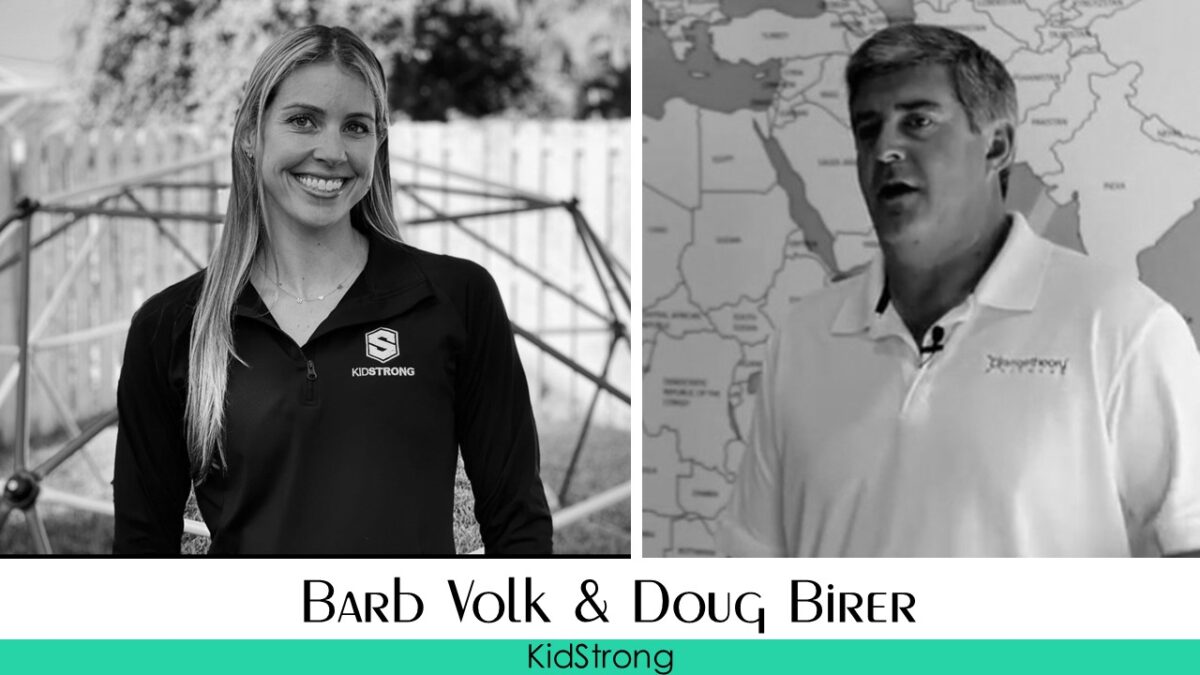
With Barb Volk & Doug Birer

In the latest episode of The Franchise Woman Podcast: Where Passion & Purpose Collide, Rebecca Monet welcomes Barb Volk and Doug Birer—long-time partners and proven franchise operators—whose journey blends heart, discipline, and smart growth strategy.

Barb and Doug’s story began years ago in the early days of OrangeTheory Fitness, where they learned firsthand how to scale a brand, develop leaders, and build trust within a franchise system. That experience laid the groundwork for their next chapter: KidStrong—a youth fitness and development concept focused on helping children build confidence, character, and resilience.

Mission First, Business Always

Doug is clear: KidStrong is a business. Profitability, systems, and disciplined execution matter. But what sets the brand apart is that the mission strengthens the business. Parents see real transformation in their children—from confident handshakes and eye contact to public speaking skills and perseverance—and that impact fuels retention, referrals, and long-term growth.

Barb brings the heart to the partnership, describing how KidStrong aligns perfectly with her values as a parent and leader. The program doesn’t just serve kids; it supports families and empowers team members who believe in the mission.

Trust as a Growth Strategy

One of the most compelling themes of the conversation is trust. Doug explains that scalable businesses require leaders who earn responsibility and rise to it. Barb embodies that philosophy today—running a multi-location operation with over 100 employees and thousands of children served weekly.

In turn, Barb now mentors her own leadership team, proving that sustainable growth depends on empowering people, not micromanaging them.

Work-Life Integration, Not Balance

Rather than chasing an unrealistic work-life balance, Barb reframes success as work-life integration. KidStrong allows her to lead, grow, and parent within the same mission-driven environment—modeling exactly what the brand stands for.

A Legacy That Multiplies

At its core, this episode is about legacy. Barb and Doug believe that changing the trajectory of even one child can ripple through families, communities, and future generations. By combining strong unit economics with intentional leadership development, they’re proving that franchising can be both profitable and profoundly meaningful.

This conversation is a must-watch for anyone interested in franchise growth, leadership development, and building businesses that truly matter.

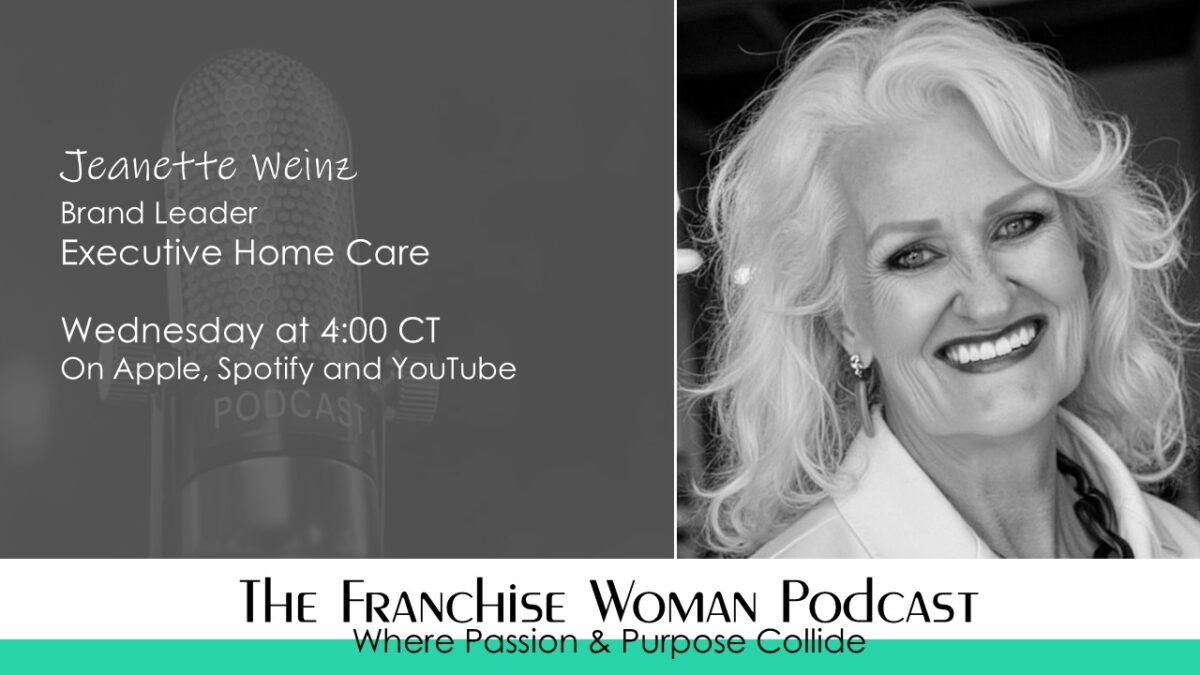
Leading With Color, Compassion, and Purpose: Jeanette Weinz on Redefining Home Care

Some leaders blend in. Others bring color, clarity, and conviction wherever they go.

In this episode of The Franchise Woman Podcast: Where Passion & Purpose Collide, Rebecca Monet and Tracy Kawa welcome Jeanette Weinz, Brand President of Executive Home Care, for a moving conversation about leadership, healthcare, and the irreplaceable value of human connection.

From the moment Jeanette speaks, her energy is unmistakable. But beneath the bold colors and contagious enthusiasm is a leader shaped by experience, resilience, and a deeply personal mission.

A Purpose Born From Personal Experience

Jeanette’s journey into home care wasn’t accidental. After decades in healthcare leadership and medical staffing, her path took a profound turn following the loss of both of her parents—experiences that exposed painful gaps in elder care, advocacy, and dignity.

Those moments reshaped her perspective. Home care, she explains, is not just a service—it’s a responsibility. It’s about being an advocate when families are overwhelmed, protecting dignity when vulnerability is highest, and ensuring that every individual is treated as more than a number on a chart.

Scaling With Integrity

Under Jeanette’s leadership, Executive Home Care has grown from just 13 locations to nearly 100 nationwide. But growth, she emphasizes, has never been the primary goal.

Instead, Jeanette focuses on helping franchisees understand their why. During discovery and training, she listens carefully for purpose. If the motivation is only financial, it’s a red flag. True success in home care, she believes, requires compassion, empathy, and a commitment to relationships—both with clients and caregivers.

Why the Human Touch Matters More Than Ever

As technology and AI continue to advance, Jeanette offers a clear perspective: tools can help, but they can never replace human connection.

Home care is relational by nature. It requires listening in the middle of the night, understanding family dynamics, and honoring the life someone has lived—not just the assistance they need today. Technology may support logistics, but dignity, empathy, and trust must always come from people.

A New Vision for Leadership in Healthcare

Jeanette challenges leaders to rethink what care truly means. It’s not just about helping with daily tasks—it’s about restoring independence, honoring hobbies and passions, and preserving quality of life.

Whether it’s finding ways for a former mechanic to stay connected to his craft or ensuring an elderly client feels seen and valued, Jeanette believes care should add color back into people’s lives—not fade it away.

A Message for Leaders Everywhere

One of the most powerful takeaways from the episode is Jeanette’s belief that franchisees are not just operators—they are clients. When franchisors lead with respect, empathy, and service, franchisees respond with trust, engagement, and long-term success.

Her message is clear: when leaders show up with heart, the business will follow.

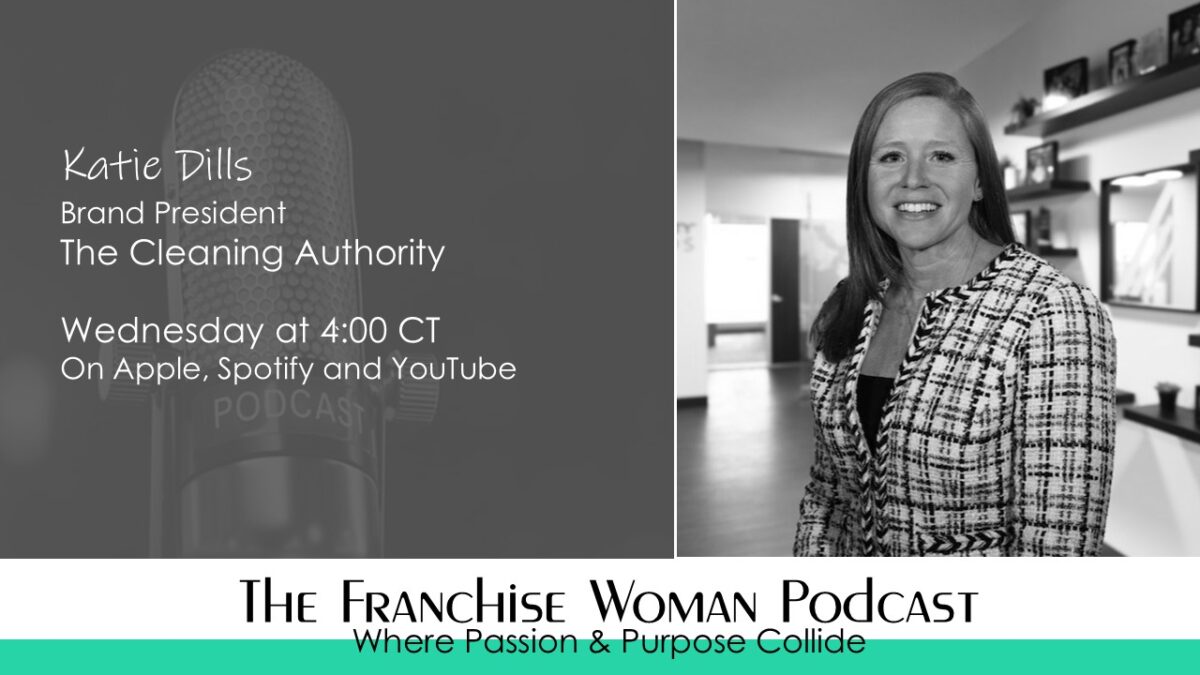
From Franchisee to Brand President: Katie Dills on Leadership, Legacy, and the Power of People

Leadership journeys rarely follow a straight line — and that’s exactly what makes them meaningful.

In this episode of The Franchise Woman Podcast: Where Passion & Purpose Collide, Rebecca Monet and Tracy Kawa welcome Katie Dills, Brand President of The Cleaning Authority, for a candid conversation about growth, curiosity, and leading with purpose.

Katie’s story didn’t begin with a lifelong dream of working in residential cleaning. After earning her degree in business administration, she found herself stepping in to help her mother-in-law, a Cleaning Authority franchisee, with HR and administrative support. What began as “helping out” quickly evolved into something far bigger.

Learning the Business from the Ground Up

Rather than stepping into leadership from a distance, Katie learned the franchise model from the inside out. She cleaned homes, trained staff, worked with customers, and experienced firsthand the challenges franchise owners face every day.

That experience shaped her leadership philosophy. Katie believes deeply that you cannot lead a franchise system effectively unless you understand the realities of the field — the employees, the customers, and the systems that hold everything together.

From Franchise Owner to Brand Leader

After co-owning multiple territories with her family, Katie was presented with an unexpected opportunity: joining the corporate team at The Cleaning Authority. The move allowed her to expand her impact beyond a single market and help shape the future of the entire brand.

One of her earliest initiatives was revamping new franchise owner training. Drawing directly from her own experience, Katie focused training on two foundational priorities: hiring great people and acquiring customers. Everything else, she believes, builds from there.

A People-First Approach to Growth

Throughout the conversation, one theme remains constant — people matter most.

Katie emphasizes that successful franchising is ultimately about relationships: investing in employees, supporting franchisees, and delivering consistent value to customers. She speaks openly about coaching, feedback, and the importance of addressing challenges early and honestly.

Her leadership philosophy is grounded in empathy, accountability, and belief in others’ potential — often before they see it in themselves.

Curiosity, Technology, and What’s Next

As Brand President, Katie is focused on the future. She shares how curiosity drives innovation within The Cleaning Authority and how technology will continue to shape operations, customer experience, and franchisee support in the years ahead.

Rather than chasing growth for growth’s sake, Katie encourages leaders to ask bigger questions: What’s possible? How can systems improve lives? How can technology create simplicity rather than complexity?

Building Legacy Through Leadership

Perhaps the most powerful takeaway from the episode is Katie’s belief in legacy. From multi-generational franchise ownership to managers becoming owners, she sees franchising as a pathway to long-term impact — not just financial success.

Her journey reflects what happens when passion meets purpose and when leaders commit to developing people as much as businesses.

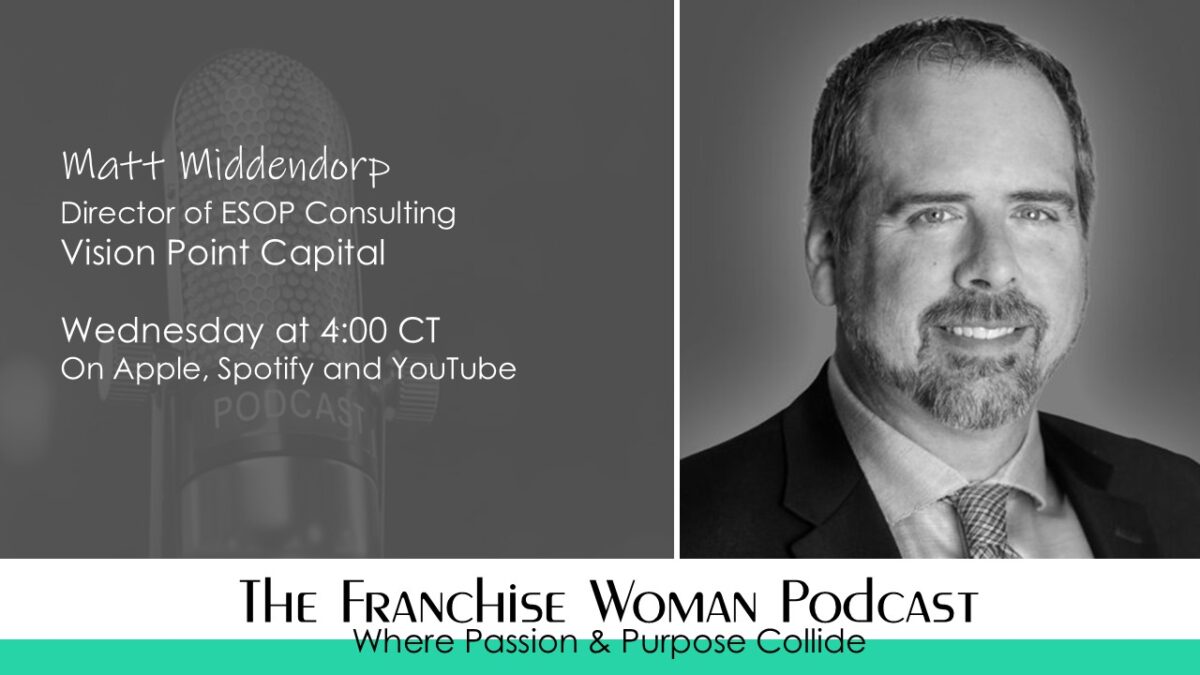
Why ESOPs Deserve a Serious Look from Franchise and Business Owners-Insights from Matt Middendorp on The Franchise Woman Podcast

When business owners think about exiting their company, the conversation often centers around private equity, strategic buyers, or family succession. Yet for many founders—especially in franchising—those paths come with tradeoffs: loss of control, cultural disruption, pressure-filled earnouts, or a complete shift in the company’s identity.

In a recent episode of The Franchise Woman Podcast: Where Passion & Purpose Collide, hosts Rebecca Monet and Tracy Kawa welcomed Matt Middendorp, entrepreneur, former banker, and ESOP advisor, to discuss a lesser-known but highly effective alternative: Employee Stock Ownership Plans (ESOPs).

What unfolded was a candid, experience-driven conversation about legacy, leadership, employee engagement, and why ESOPs may be one of the most underutilized succession strategies available to franchise and business owners today.

What Is an ESOP—and Why Does It Matter?

An ESOP, or Employee Stock Ownership Plan, is a qualified retirement plan that allows employees to become beneficial owners of the company over time. In an ESOP transition, a trust is created to purchase shares of the business on behalf of employees. That trust then owns the company, while leadership often remains in place to run day-to-day operations.

As Matt explained, one of the most misunderstood aspects of ESOPs is control. Unlike many private equity transactions, sellers can remain actively involved in the business after the transition. In fact, many owners use ESOPs as a strategic, phased exit, positioning the business for long-term success while preparing to step away over several years rather than all at once.

This structure allows founders to protect what they’ve built—not just financially, but culturally.

The Cultural Advantage of Employee Ownership

Matt’s passion for ESOPs is rooted in personal experience. Early in his career, he worked for an employee-owned company while putting himself through college. What stood out to him wasn’t just compensation—it was the culture.

Employees cared deeply about their work. They understood how their actions impacted the business. Accountability, pride, and engagement were part of the day-to-day environment, not just words on a wall.

That same pattern shows up repeatedly in ESOP companies today. When employees have a financial stake in the business, behavior changes. Productivity increases. Retention improves. People think like owners because, in a very real sense, they are.

Research backs this up. ESOP companies tend to grow faster, experience higher productivity gains, and are less likely to lay off employees during economic downturns. Over time, employees also build significantly greater household wealth compared to workers in non-ESOP companies.

Financial Performance Without Sacrificing Values

One of the biggest myths around ESOPs is that owners must “give something up” financially to do the right thing for their employees. According to Matt, that simply isn’t true.

In many cases, ESOP sellers achieve equal or better after-tax returns compared to private equity deals. ESOPs also offer unique tax advantages, including strategies that allow sellers to defer or significantly reduce capital gains taxes.

Matt shared multiple real-world examples:

  • Owners who prioritized maximizing return while still preserving their workforce
  • Founders who wanted liquidity to pursue new ventures without abandoning their business
  • Companies struggling to retain talent that used ESOPs as a competitive advantage in hiring and retention

In each case, the ESOP structure aligned financial success with long-term stability rather than short-term extraction.

ESOPs and the Franchise World

Franchising presents unique challenges when it comes to succession. While franchisors have limited control over how franchisees exit, they have a powerful opportunity to educate and influence owners early.

Introducing ESOPs as a legitimate option gives franchisees a path that:

  • Rewards loyal employees
  • Preserves brand culture
  • Avoids disruptive ownership changes
  • Keeps profits invested locally rather than extracted by outside investors

For multi-unit franchisees in particular, ESOPs can be a compelling strategy—especially for those who care deeply about their teams but don’t have a family successor ready or interested in taking over.

When Does an ESOP Make Sense?

ESOPs are not for every business. As Matt noted, companies must be healthy, profitable, and well-managed. Typically, ESOP candidates have:

  • At least 15–20 employees
  • Strong financial performance
  • Leadership alignment
  • A desire to think long-term rather than pursue a quick exit

Perhaps most importantly, ESOPs work best for owners who care about what happens after they leave. Those who value people, culture, and community often find that employee ownership aligns naturally with their personal and professional values.

A Different Way to Think About Exiting

For many founders, selling a business is one of the most emotional decisions they’ll ever make. It’s not just a transaction—it’s the end of something deeply personal.

ESOPs offer an alternative narrative.

Instead of asking, “Who will buy my business?” owners can ask, “Who helped me build it—and how can I reward them?”

As this episode made clear, ESOPs are not just a financial tool. They are a leadership decision. One that prioritizes stewardship over extraction, continuity over disruption, and legacy over liquidation.

For franchise and business owners exploring what’s next, ESOPs deserve a serious seat at the table.

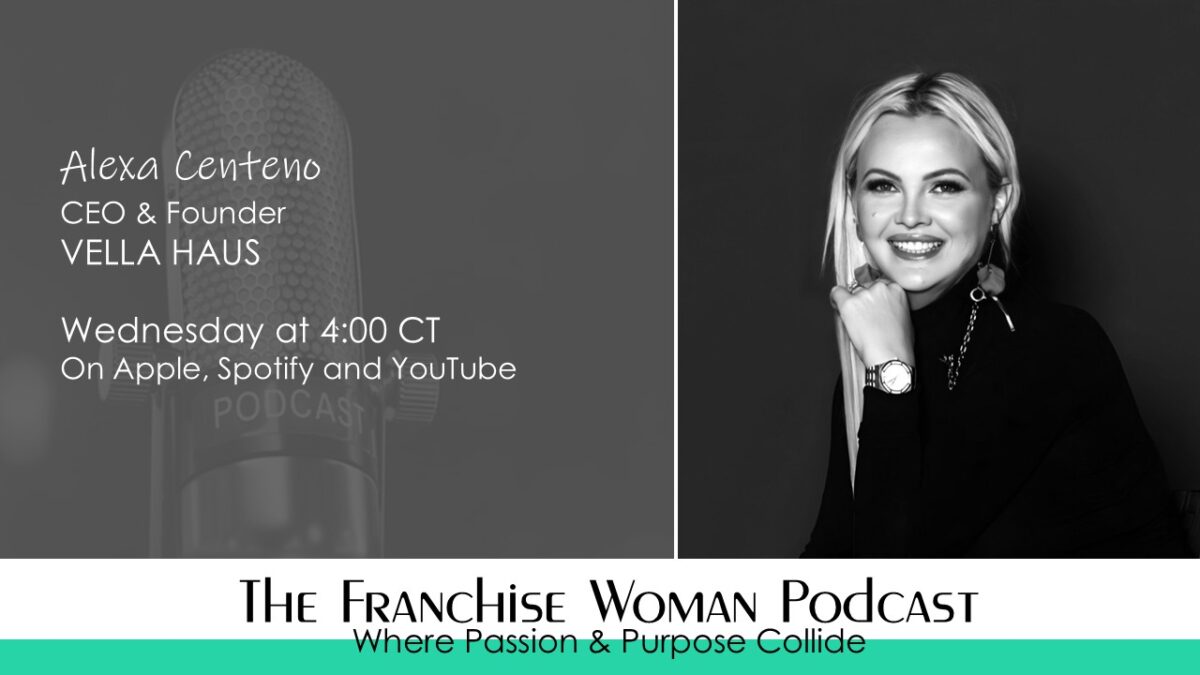
Building Beauty Brick by Brick: How Alexa Centeno Turned Passion into a National Franchise

When Alexa Centeno walked away from her corporate accounting career, she wasn’t chasing trends—she was chasing freedom. What began as a desire to spend more time with her family evolved into a bold entrepreneurial leap that led to VELLA HAUS, a fast-growing national home staging franchise redefining the industry.

From Finance to Freedom

Alexa holds degrees in finance, accounting, and taxation, but the corporate world never felt like home. “I just couldn’t do it anymore,” she recalls. “There was more to life for me.”

So she teamed up with her husband to start a home automation business, combining his technical expertise with her business acumen and marketing savvy.

What began as a side hustle became a thriving company—but even then, Alexa sensed something more was waiting.

The $10 Million Turning Point

That “something” arrived unexpectedly. While in Florida, Alexa was asked to help a builder with a $10 million property. “He said, ‘What do you think I should do with this home?’” she remembers. “I told him, ‘You need furniture.’”

When the builder asked if she could stage it—in just one week—Alexa said yes, despite having zero experience. She invested $150,000 of her own money in high-end furniture, only for the client to back out at the last minute.

Most people would have quit. Alexa didn’t. She photographed her furniture, posted it on Instagram, and caught the attention of another developer. That next staging sold quickly—and word spread like wildfire.

Within months, she was staging three homes a week. VELLA HAUS was born.

From Intuition to Innovation

What set Alexa apart was her instinct. “I didn’t know how to read a tape measure,” she laughs, “but I knew how a room should feel”. Her approach was intuitive—focused not on design theory, but on emotional connection.

Buyers didn’t just see her homes; they felt them. “You have to create spaces where people can picture themselves living,” she explains. “It’s not just furniture—it’s storytelling.”

The VELLA HAUS Formula

Now, Alexa is teaching her process through franchising. “I never went to school for interior design, and that’s the beauty of it,” she says. “It’s a formula—per room, per item—and it’s teachable”.

Her franchisees learn how to design, manage projects, and build client relationships—all while controlling their own schedules. “I get to design my own time,” she shares. “I can stage two houses a week, take weekends off, and still be there when my kids get home from school”.

A Vision for the Future

VELLA HAUS is now expanding nationally, with franchise territories launching in Massachusetts and plans for 15 locations next year. Alexa continues to blend design and technology, leveraging her background in home automation to give her brand a unique edge.

Her motto, “Build yourself and your business one brick at a time,” has become the cornerstone of VELLA HAUS’s culture. It’s a philosophy that empowers anyone—regardless of background—to step into entrepreneurship with purpose and patience.

Final Takeaway

Alexa Centeno’s story is proof that reinvention isn’t just possible—it’s powerful. Whether you’re an interior designer seeking more freedom, a mom ready to return to work, or a leader searching for your next chapter, her message resonates deeply:

“You can design your own time. You can build your own life. One brick at a time.”

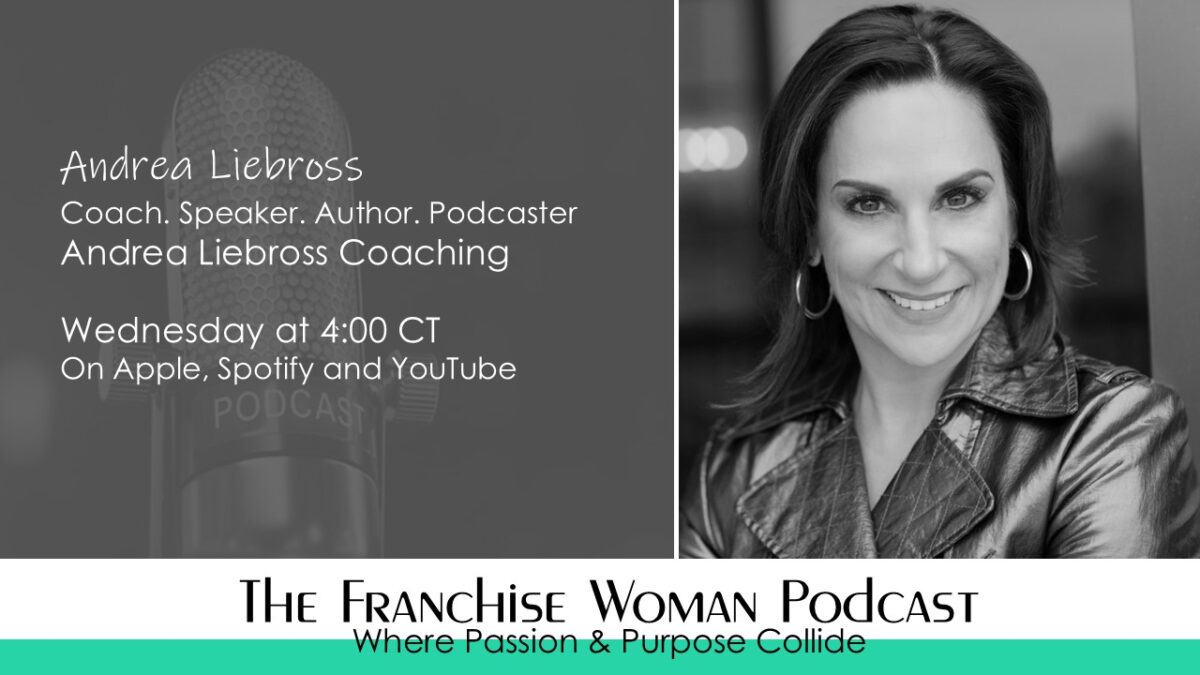
From the Messy Middle to Massive Action: Andrea Liebross on Building the Future You

Why do so many entrepreneurs stall right before their next big breakthrough?

According to business growth coach and author Andrea Liebross, it’s because they’re stuck in what she calls the messy middle—that uncomfortable space between progress and possibility, where fear, doubt, and guilt start whispering that you’re in over your head.

The “Messy Middle” Moment

Andrea’s journey began in corporate America, where she spent a decade coaching new business owners through their startup phase. She noticed a clear pattern: after initial success, most entrepreneurs hit a point where the old strategies stopped working, and the excitement gave way to uncertainty.

“They start to doubt themselves. The business starts to feel heavy,” she told Rebecca and Tracy.

When her own creativity began to feel boxed in by corporate rules, Andrea decided to step out of the container entirely. She quit her job, hired her first coach, and began building a business designed to help others navigate that same transitional chaos.

The TRUST Model: A Framework for Big Thinking

Andrea’s work today revolves around helping entrepreneurs think bigger and trust the process of growth. Her TRUST Model breaks that mindset into five powerful steps:

T — Thought Options: You always have choices in how you think. Andrea likens it to selecting hors d’oeuvres at a party—you can keep grabbing the same “safe” option, or try something new.

R — Real Problem: Most “problems” in business aren’t logistical—they’re emotional. “The real problem is usually a feeling we don’t want to experience,” Andrea explains, whether it’s guilt, fear, or loss of control.

U — Uncertainty: Growth requires embracing the unknown. “Everything we ever wanted is on the other side of uncomfortable,” Andrea says.

S — Securing Support: We all need people who can see what we can’t. “You can’t read the label from inside the peanut butter jar,” she jokes—a reminder that mentors and coaches are essential for perspective.

T — Taking Massive Action: Knowledge without movement is just passive action. “Listening to a great podcast or reading a book isn’t enough,” she says. “You have to do something, even if it’s uncomfortable”.

Becoming the Wave Beneath Others

Toward the end of the conversation, Tracy Kawa offered a vivid metaphor:

“Andrea, you’re not the surfer—you’re the wave carrying business owners to their destination.”

It’s a fitting image. Andrea doesn’t just teach strategy—she propels people forward, giving them the courage and clarity to ride the next wave of their growth journey.

Final Takeaway

Andrea’s message is clear: success doesn’t come from avoiding discomfort. It comes from trusting yourself enough to act anyway.

Whether you’re a franchisor, a franchisee, or an entrepreneur in any field, learning to embrace uncertainty and take massive action may be the very key to becoming your Future You.

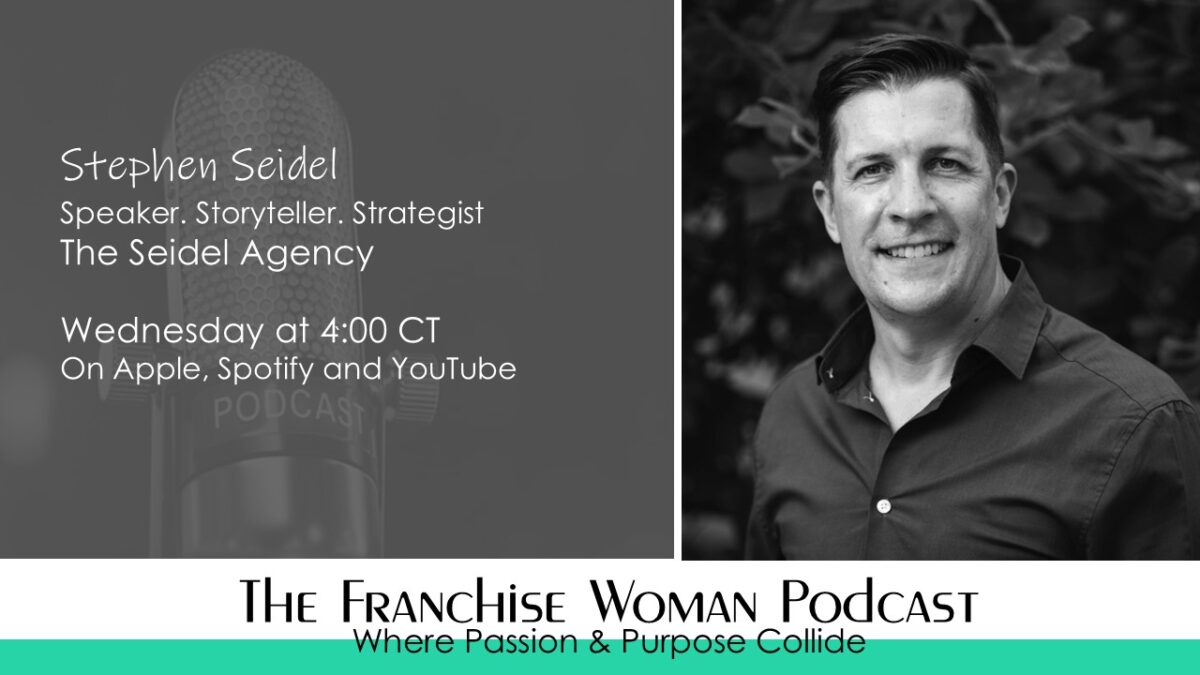
Connection Is Currency: A Conversation with Storytelling Strategist Stephen Seidel

When you think of leadership, storytelling may not be the first tool that comes to mind—but for Stephen Seidel, it’s the foundation of influence, connection, and meaningful business growth.

On this episode of The Franchise Woman Podcast, Rebecca Monet and Tracy Kawa welcomed Stephen—TEDx speaker, founder of The Seidel Agency, and co-founder of Gents Journey—to explore how purposeful storytelling shapes not only companies, but legacies.

The Making of a Leader

Stephen’s passion for connection didn’t appear overnight. Raised by strong entrepreneurial women and shaped by moments of loss, reinvention, and resilience, he learned early that leadership is less about perfection and more about authenticity.

His work now centers on helping leaders step into transparency, share their story, and build communities rooted in purpose. As he shared during the interview, many business owners—especially franchise owners—don’t realize how meaningful their personal story is to the people they serve.

Connection as Currency

Stephen’s core philosophy—connection as currency—guides how he supports brands and franchise organizations. According to Stephen, connection is built when leaders:

✔ Tell meaningful, honest stories
✔ Show vulnerability instead of polished perfection
✔ Align their message with their mission
✔ Create environments where people feel seen

In franchising, where trust fuels investment, retention, culture, and brand loyalty, this approach is especially powerful.

Tools for Transformation

Stephen didn’t just share ideas—he shared practical tools.

One of his signature resources, The Journey Deck, includes deep, reflective questions designed to spark human connection in leadership teams, families, and communities. During the interview, he demonstrated how even a single question can unlock honesty, clarity, and growth.

These tools reinforce his belief that transformation begins with intentional reflection—and courageous conversation.

Purpose, Legacy, and Leadership

As the episode wrapped, Stephen shared the question that guides his next chapter:

How can I leave a legacy that elevates others?

For him, the answer is found in sharing knowledge, empowering others to embrace their stories, and creating communities where leaders—women and men—can grow with authenticity and intention.

Final Takeaway

Stephen left our listeners with this message:

💡 Everyone has a story. And when you share yours, you give others permission to grow, connect, and lead with purpose.

For anyone building a franchise, leading a team, or shaping a culture—this episode is a roadmap to connection-driven leadership.

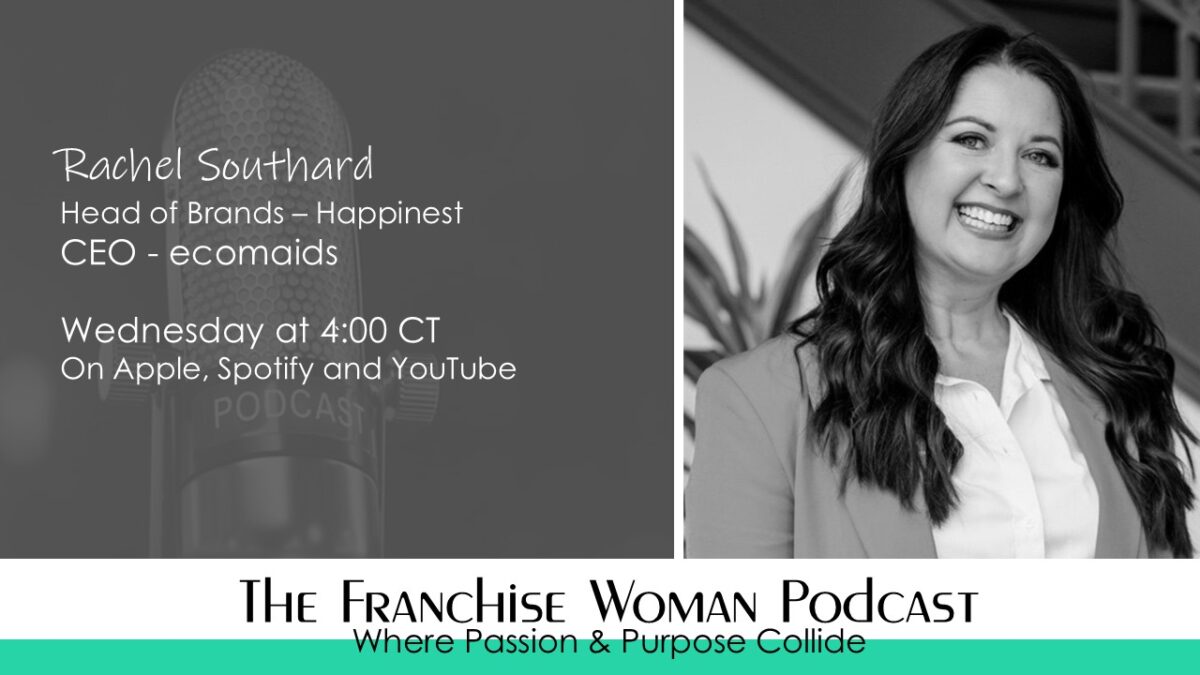
Rachel Southard: Why Great Franchise Leaders Never Stop Learning

When Rachel Southard first started working at a fitness franchise daycare at just 15 years old, she didn’t know that franchising would become her lifelong calling. But today—as CEO of ecomaids and Head of Brand Operations at Happinest Brands—she’s not only shaping the future of multi-brand platforms but redefining what it means to lead with empathy and authenticity.

Growing Up in Franchising

Rachel is one of the rare executives who truly “grew up” in franchising. Her first role was at Lady of America, a women’s fitness franchise, where she worked through college for a multi-unit owner. After graduating with a degree in kinesiology, Rachel found her second passion—technology—and joined a fitness software company that was later acquired by Anytime Fitness.

That acquisition marked her transition from franchisee support to the franchisor side, where she discovered her calling: coaching franchise owners to achieve measurable, sustainable success.

“It’s so rewarding to be part of those lightbulb moments,” Rachel shares. “When a franchisee learns how to track KPIs or finally hits their profit goals, you can see the confidence shift.”

Building Systems and Scaling Brands

Today, Rachel oversees multiple brands within the Happinest portfolio, including ecomaids, where she serves as CEO. Her approach centers on alignment, collaboration, and systemization across all brands while maintaining space for individuality.

“Our motto is everything the same, different for a reason,” she explains. “The goal is consistency where it matters—but flexibility when it makes sense.”

This philosophy echoes throughout her leadership style: find what works, replicate success, but leave room for innovation and context. For example, ecomaids differs from outdoor service brands in that it “crosses the threshold” into customers’ homes—a distinction that changes everything from marketing to staffing to customer care.

Empathy as a Leadership Superpower

Rachel attributes much of her leadership success to empathy—a skill she’s honed not just in business but at home.

“My husband is an empathy expert,” she laughs. “He’s taught me how to lead with curiosity instead of assumption.”

That mindset allows Rachel to build genuine connections with her teams, franchisees, and brand leaders.

“If you’re not leading with empathy, you’re not really leading,” she says. “Everyone comes from different experiences. The job of a leader is to understand how they got where they are.”

Her approach has also made her a pioneer in remote leadership—something she practiced long before the pandemic. Working from Texas while managing teams based in Minneapolis forced her to adopt digital tools like Slack and Teams early on, creating systems for communication and accountability that remain part of her leadership framework today.

Redefining Success and Overcoming Imposter Syndrome

As a woman in executive leadership, Rachel understands the quiet pressure many women feel to “have it all figured out.”

“There’s no silver bullet,” she insists. “No one has it figured out. We’re all learning and adapting every day.”

She believes comparison is the root of imposter syndrome—and the enemy of progress.

“You can’t compare a 40-unit franchise system to a 4,000-unit one. They’re just different journeys,” she says. “And that’s okay.”

Profitability Starts with People

For Rachel, relationships and results are inseparable.

“I don’t have profitability as a franchisor if my franchisees don’t,” she explains. “If I don’t focus on unit-level profitability first, there is no revenue for the platform.”

Her philosophy is simple: strong relationships fuel strong returns. Franchise business coaches at ecomaids work closely with owners to understand their P&Ls, set benchmarks, and tie every operational improvement back to the bottom line.

The Future of Franchising

Looking ahead, Rachel predicts continued private equity investment—but with necessary consolidation among platform companies.

“Those who focus on doing what’s best for franchisees will win,” she says. “Those chasing rapid growth without profitability will eventually crumble.”

Her advice for emerging franchisors is timeless: focus on relationships, lead with empathy, and never stop learning.

Final Thoughts

Rachel Southard’s journey from a teenage fitness employee to an award-winning CEO is proof that great leaders aren’t defined by how much they know—but by their willingness to keep growing. Her story is a call to every franchise professional to stay curious, stay adaptable, and stay connected.

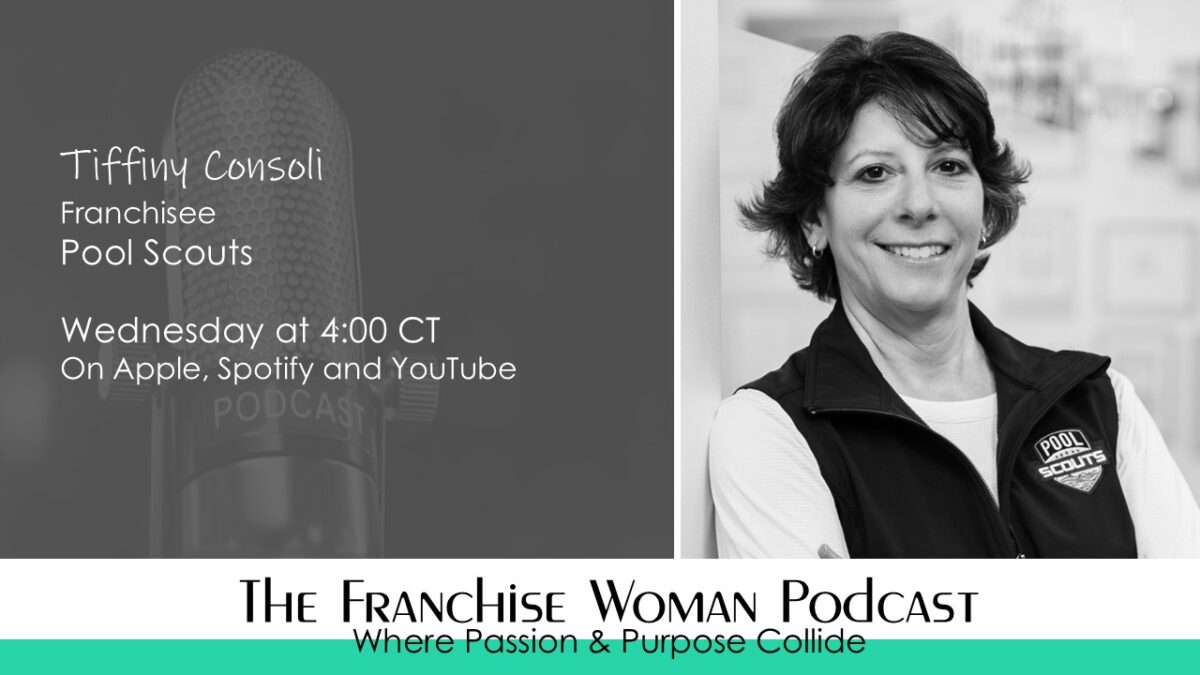
How Tiffiny Consoli Turned Courage and Connection into a $3 Million Franchise

When Passion Meets Purpose: The Story of Pool Scouts’ First Franchisee

Few stories embody courage, authenticity, and growth quite like Tiffiny Consoli’s. As the very first Pool Scouts franchisee under Buzz Franchise Brands, Tiffiny built more than a thriving business — she built a legacy of leadership that inspires franchisees across the country.

From Plants to Pools: A Spirit of Adventure

Tiffiny’s entrepreneurial spark ignited early. In her 20s, she co-founded a small plantscaping business in Colorado, learning firsthand what it meant to take risks, manage expenses, and create beauty through hard work. That sense of adventure — nurtured by a mother who encouraged exploration — became a lifelong compass guiding her through every career move.

Finding Confidence and Courage at REI

After years in sales and corporate roles, Tiffiny joined REI, where she discovered not just a love for the outdoors but also a company culture that celebrated authenticity. It was there she found the freedom to fully be herself — a turning point that strengthened her confidence as both a leader and a person.
That experience taught her the importance of inclusive workplaces and helped her recognize that true leadership begins when we stop hiding parts of who we are.

Diving into Franchising

When Buzz Franchise Brands launched Pool Scouts, Tiffiny saw her opportunity to combine her love of service, the outdoors, and leadership. Despite being new to the industry, she took the leap — becoming Pool Scouts’ first franchisee and helping shape the systems and culture of the brand from the ground up.

Her courage paid off. With just one van and a determination to deliver exceptional service, Tiffiny built her business step by step, eventually growing into a $3 million powerhouse with over 20 vehicles and a reputation for excellence.

Lessons in Leadership and Balance

Tiffiny admits that success brought challenges — especially around people-pleasing and boundaries. Like many women leaders, she once equated being liked with being effective. Over time, she learned that strong leadership sometimes means making tough decisions, even when they’re not popular.

Her journey through ownership became a mirror for personal growth: learning when to delegate, when to say no, and how to create balance without losing passion.

What’s Next?

Today, Tiffiny and her wife are planning their next season — one that may include mentoring other business owners and exploring life beyond day-to-day operations. As she transitions toward hiring a general manager, her focus is on creating a business that thrives without her constant oversight — a true mark of sustainable success.

Words of Wisdom

For aspiring entrepreneurs, Tiffiny’s advice is both practical and profound:

“Listen to your inner voice. Build relationships. Learn the financial side. And never be afraid to ask for help.”

Her story reminds us that courage and connection can take you farther than you ever imagined — even from tube socks to multimillion-dollar success.